


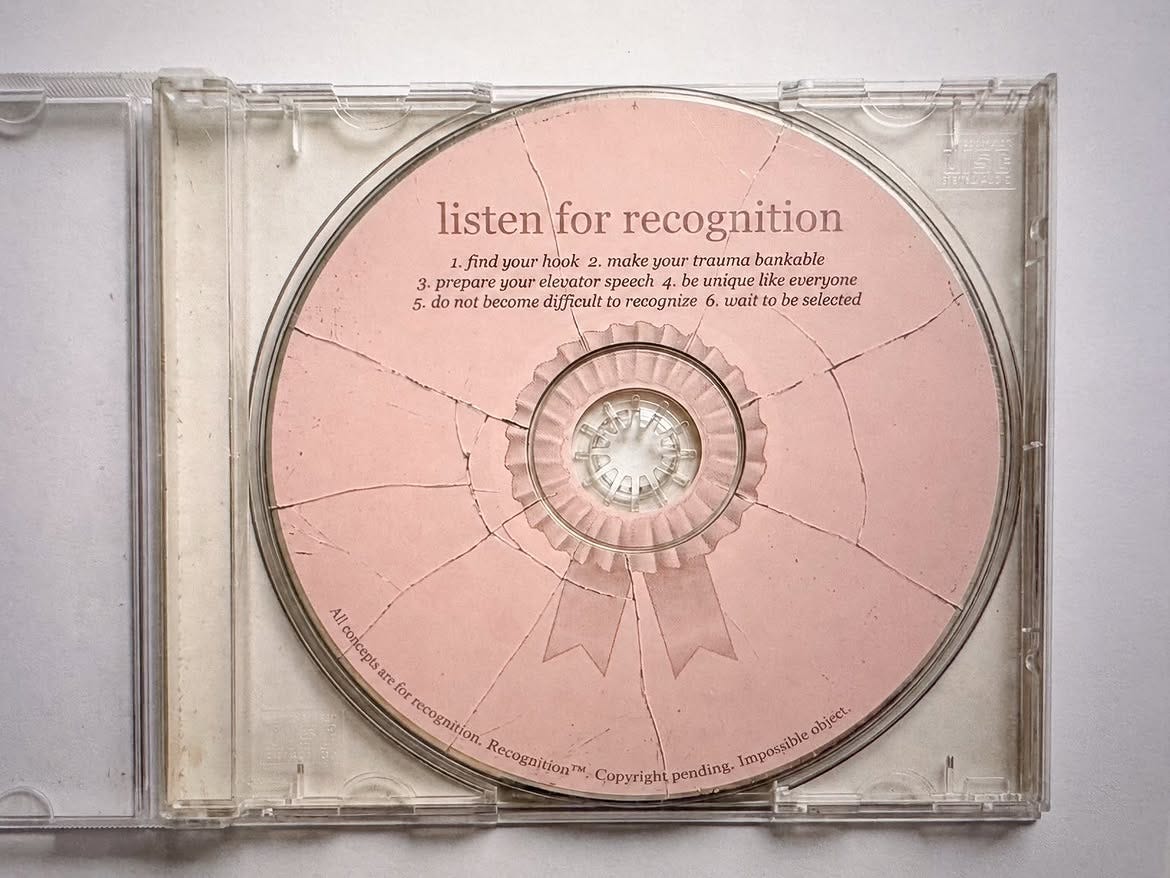
Yesterday morning, Marseille’s Marché du Soleil was on fire. For decades, the market has been one of the city’s temples of imitation: counterfeit bags, tracksuits, perfumes and trainers circulating alongside groceries, fabrics and everyday goods. A parallel economy built on the premise that the image of something can travel much further than the thing itself. There is something almost too neat about the symbolism. A place built around imitation burns at the precise moment brands appear increasingly anxious about controlling who gets to reproduce their image.
Simon Porte Jacquemus once described being copied as a sign of success. Virgil Abloh was even more explicit: “I love counterfeits, it’s the best feedback.” Being copied meant having made something legible enough to enter culture. Only icons get copied. But success changes the terms of the relationship. Jacquemus is now among the brands pursuing the Marché du Soleil over counterfeit goods and seeking damages. The copy that once confirmed cultural relevance becomes, at scale, something to contain.
This contradiction is usually framed as a fight between originals and fakes, creativity and theft, luxury and counterfeit. But perhaps the more interesting thing burning here is the distinction itself. Because the logic of the dupe has escaped the marketplace: what began as a way of reproducing things is increasingly becoming a way of producing ourselves.
THE DUPE OF EVERYTHING
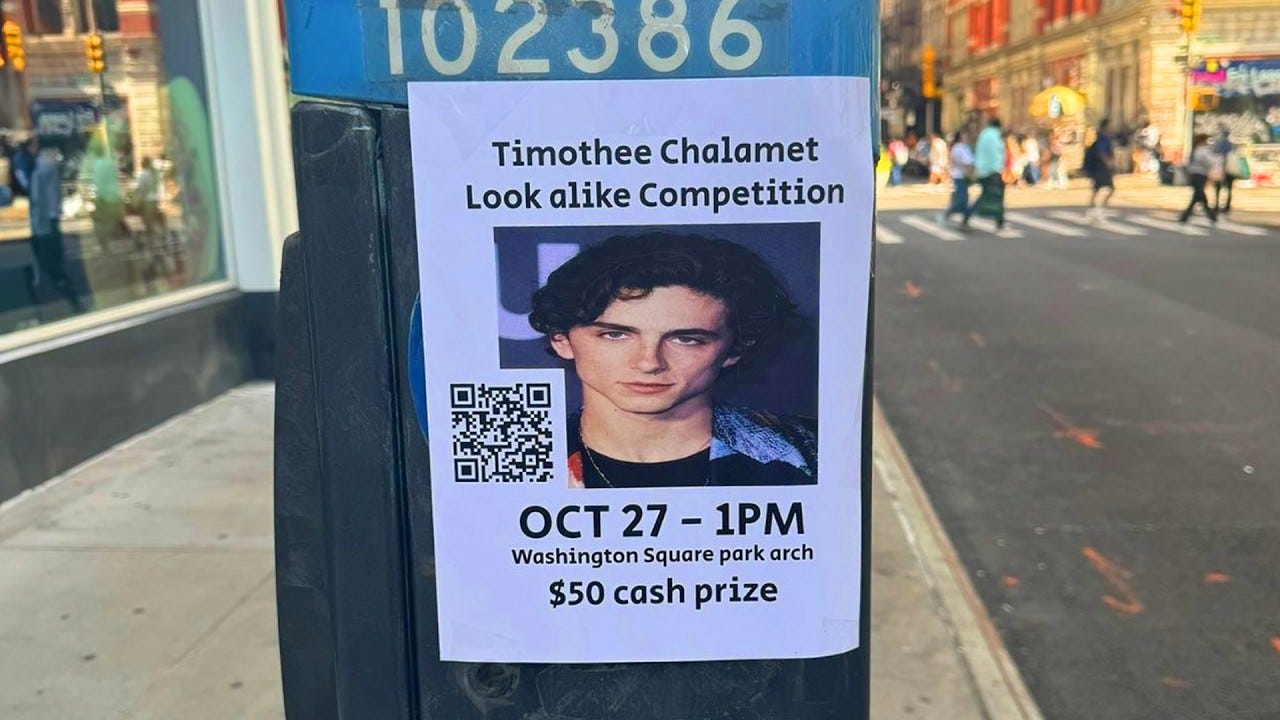
Danish furniture brand OMHU recently decided to meet its copies where they live. Its Teddy sofa (a bulbous, low-slung piece that has become extensively duped online) appeared on the same marketplaces selling its imitations, this time as the real thing in an unmistakable orange. The campaign extended the joke through “dupefluencers”: lookalikes of celebrities including Jacob Elordi, Hailey Bieber and Timothée Chalamet posing alongside a sofa surrounded by its own doubles.
OMHU’s argument is ultimately about cost. A cheaper copy does not make the costs of production disappear; it moves them somewhere less visible: into materials, labour conditions, environmental impact. Cheap rarely means costless. It means somebody, or something, else is paying. But the fake sofa is almost the least interesting part.
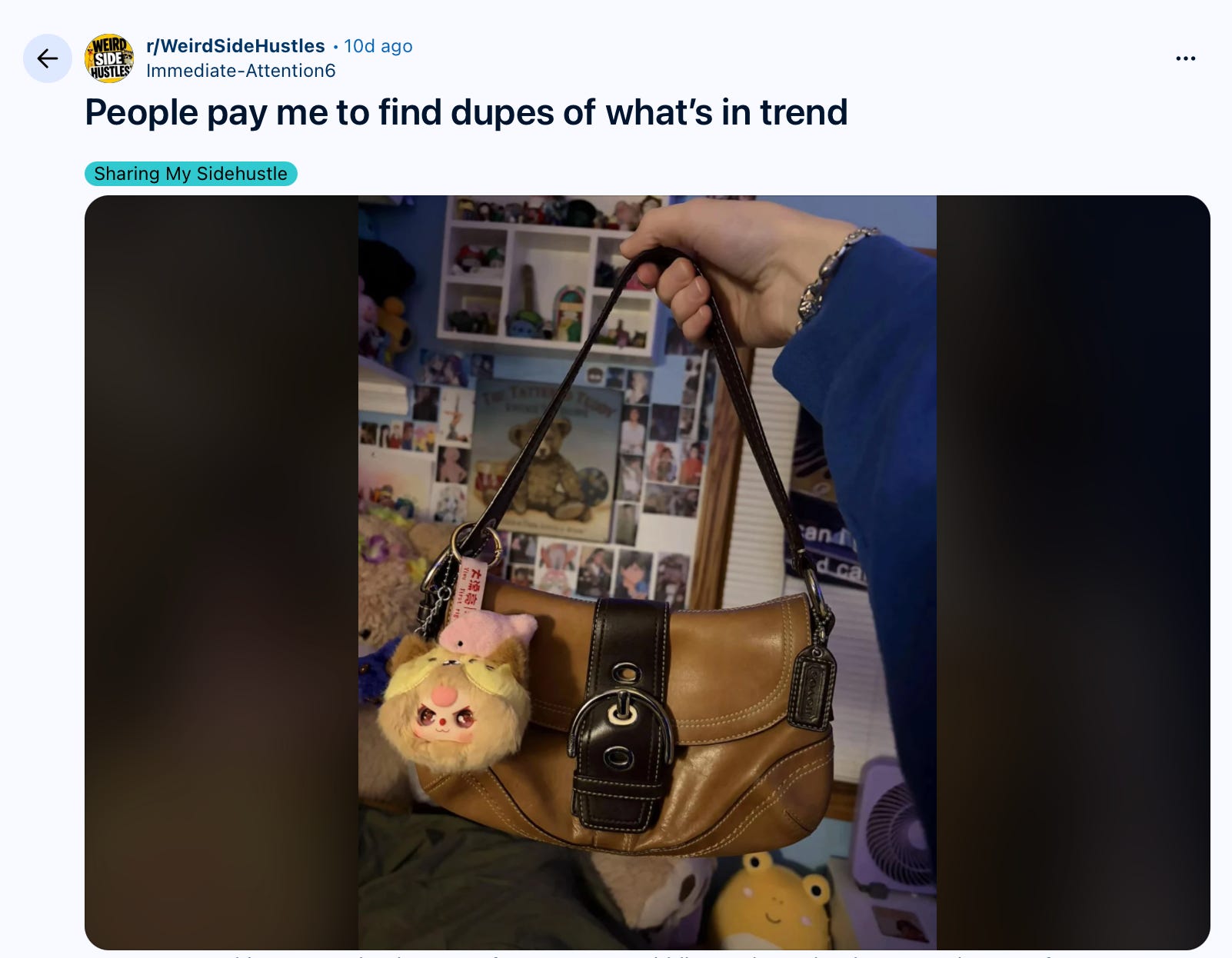
The dupe has become a cultural format. What began as an affordable substitute for an inaccessible object increasingly resembles a method for navigating desire itself: locate the desirable original, identify its recognisable codes, reproduce the appearance, skip the difficult bit in between. There is something familiar here in the way we are learning to work with AI. The appeal is not simply speed, but the removal of friction: the hours spent researching without finding anything; following the wrong idea; making something mediocre; correcting it; abandoning it; beginning again. Yet these apparently inefficient stages were never incidental to the process. They were the process through which judgement was formed. The same might be said of taste. Or knowledge. Or identity.
Humans have always copied. Children imitate adults; artists imitate artists; subcultures borrow, mutate and recirculate codes. Originality itself is largely a mythology built retrospectively around processes of influence. The problem, then, is not imitation. It is what happens when imitation becomes detached from transformation.
A dupe asks a seductive question: why undergo the process when you can arrive directly at its visible result? Perhaps this is why dupe culture matters beyond retail. It reveals a wider impatience with becoming. The question is no longer whether we are surrounded by copies, but whether we have begun approaching ourselves in much the same way.
FROM TASTE TO SEARCH QUERY
Historically, wanting something demanded at least a small act of interpretation. What exactly do I like about this? Why does it work? What else might produce the same feeling? Desire had to pass through language, judgement and, sometimes, failure. Now resemblance does much of that work for us. You do not necessarily need to understand why a Noguchi table works within a room; you need a “Noguchi dupe”. You do not need to develop a vocabulary for the woods, musks or synthetic notes you respond to in fragrance; TikTok can tell you which bottle smells “exactly like Byredo”. Pinterest, Google Lens, Amazon and Temu can translate an image into a field of purchasable approximations before you have had time to articulate what attracted you to it.
The cultural unit becomes not meaning, but similarity. This is why saying that dupe culture is “killing originality” misses the point. It assumes originality was the objective in the first place. Something subtler is happening: interpretation is being removed from consumption. And interpretation matters because taste is not the accumulation of correct references. It emerges from living with them. Genuine curiosity has always required a degree of inconvenience: reading past the useful paragraph, watching the bad film by the good director, buying the strange object that nobody has validated yet, discovering that the thing you thought you liked was actually something else entirely.
“I wonder how often people mistake vocabulary for depth.
There is a difference between collecting ideas and living with them. One fills a shelf. The other changes the way you notice the world. Someone can quote ten philosophers and still panic when asked what they actually believe. Someone else might never mention a single famous name and still say one sentence that stays in your head for weeks.”
— Genuine curiosity will always beat performative intellectualism by Hasif Core
This is not an argument for some lost age of authentic individuality. There was never a self untouched by imitation and we have always become ourselves through other people. But imitation once formed part of becoming someone: copying, experimenting, failing, discarding, absorbing, eventually forgetting where the reference ended and you began. What happens when the copying never stops long enough for that metabolisation to occur? We may have become exceptionally fluent in recognising desirable lives while becoming less fluent in describing our own desires.
THE AGE OF ALMOST
The clever thing about the word “dupe” is that it avoids the moral weight of fake. A dupe does not pretend to be the original. It promises something more contemporary: close enough. Not a Birkin, a Wirkin. Almost the same perfume. Almost the same chair. Almost the same hotel. Almost the same aesthetic. Almost the same life. But almostness extends well beyond things we cannot afford. It has become attractive precisely because it reduces the cost of commitment.
The wishlist can remain a wishlist. The saved folder can contain twenty mutually incompatible homes. Careers can be endlessly prototyped. Cities can become temporary identities. A relationship can occupy the language, intimacy and routines of partnership while remaining strategically undefined. We accumulate possible selves without necessarily choosing between them.
“And I am so exhausted by this constant orbit around potential. This slow bleeding of meaning. A daily flirtation with who I am not, what I don’t have, and what I haven’t done. Somewhere along the way, I stopped asking what I wanted and started asking what would look impressive. And what society worships shifts so quickly, that mentality becomes unstable when worth is measured by trends [...] We do not just suffer from an abundance of options, we suffer from a lack of commitment [...] This isn’t freedom. It’s erosion. This is the slow disintegration of self beneath the illusion that we can be anything, everything, all at once.”
The dupe fits remarkably well within this condition because it allows desire to be inhabited provisionally. Why spend years developing an eccentric taste when an aesthetic can be assembled by Friday? Why commit to the expensive sofa, the difficult craft, the unfashionable obsession, the relationship, the city, the identity, when an approximation allows us to experience its image without accepting all of its consequences? This is where dupe culture starts to look less like a story about affordability and more like one about reversibility.
To commit to something is to allow it to exclude other possibilities. Taste itself depends on this exclusion. To say I like this eventually requires being comfortable saying I don’t like that, even when the algorithm insists that everyone else does. A point of view is partly made from the doors it closes, while almostness keeps the doors open. And perhaps that is its real seduction. The dupe offers access without allegiance, identity without the inconvenience of becoming, proximity without possession. It lets us circulate among possible lives without quite submitting to any of them.
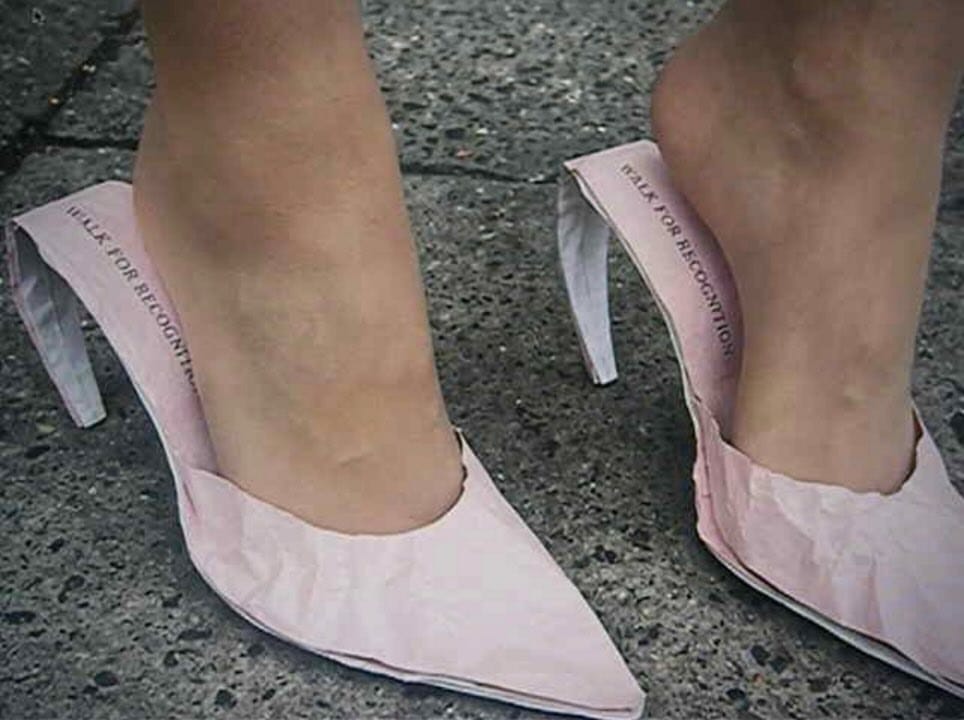
The Marché du Soleil may have been burning yesterday morning. But elsewhere, a quieter erosion continues: not the disappearance of individuality, but the slow replacement of desire with resemblance. Perhaps resistance now lies in conviction: choosing too narrowly, committing too deeply, liking something long after everyone else has moved on. Even having bad taste. Because bad taste, at least, implies a judgement made without the guarantee of consensus. In a culture increasingly organised around resemblance, being wrong might be more generative than being recognisable.